

 Facebook
 X
X
 Pinterest
 Copy Link

Let’s have a heart-to-heart about your home’s price tag.
If you’re planning to list your property in the Waterloo Region this spring, you’ve likely spent some time scrolling through MLS, checking out what the house down the street sold for, and maybe even squinting at a few online “valuation” tools. It’s natural. You want to maximize your return. But here’s the reality of our current 2026 landscape: the market is smarter, faster, and more “fragmented” than it has ever been.
Pricing a home today isn’t about picking a number you “feel” is right. It’s a strategic calculation. Get it right, and you’re looking at a clean sale with solid terms. Get it wrong, and your listing becomes “stale”, the ultimate kiss of death in real estate.
According to recent data from the Cornerstone Association of Realtors, we’ve seen specific sectors of the market react very differently to shifting interest rates. If you’re treating your Waterloo detached home the same way your cousin treated their North York condo three years ago, you’re setting yourself up for a headache.
Here are the seven most common mistakes I see sellers making right now, and exactly how we can fix them before your “For Sale” sign hits the lawn.
1. Pricing Based on 2022 ‘Peak’ Envy
We all remember the spring of 2022. It was a fever dream of blind bidding wars, no-condition offers, and prices that seemed to defy the laws of gravity. I still talk to homeowners who say, “Well, my neighbour sold for $1.1 million in February 2022, so I should be at $1.2 million now, right?”
Not necessarily. Pricing based on “peak envy” is the fastest way to overprice yourself out of the current market. While we saw a significant 26% jump in sales this past February, the values are driven by 2026 fundamentals, not 2022 hysteria.
The Fix: Look at the “Sold” data from the last 30 to 60 days: not two or four years ago. The market has recalibrated. We need to price for the buyers who are standing in your kitchen today, not the ones who were panic-buying four years ago.
2. Ignoring the ‘Fragmented Market’
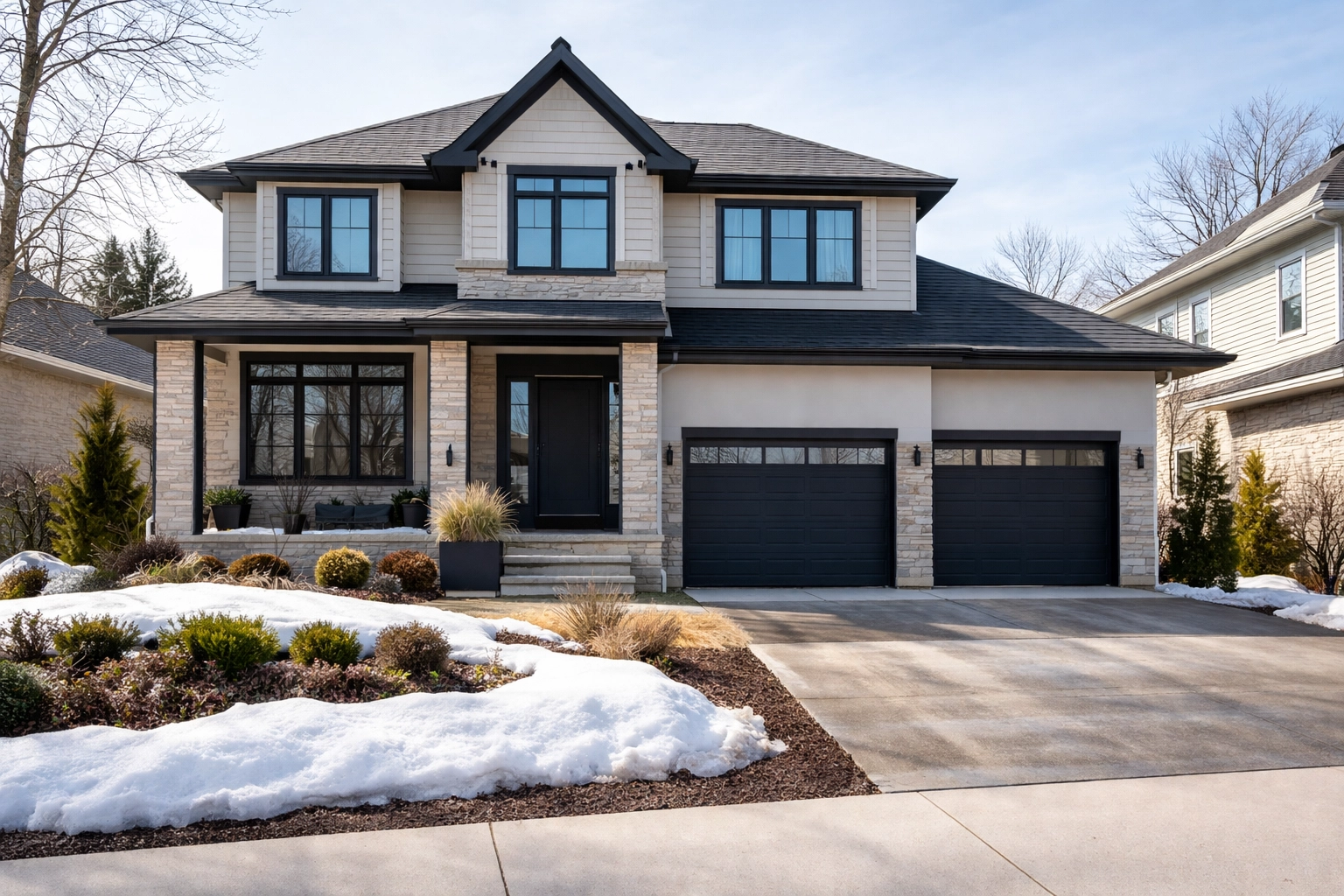
In 2026, we are dealing with a “Fragmented Market.” This means different property types are moving at completely different speeds. A detached home in a mature neighbourhood like Beechwood or Westvale is a different beast compared to a high-rise condo in Uptown Waterloo.
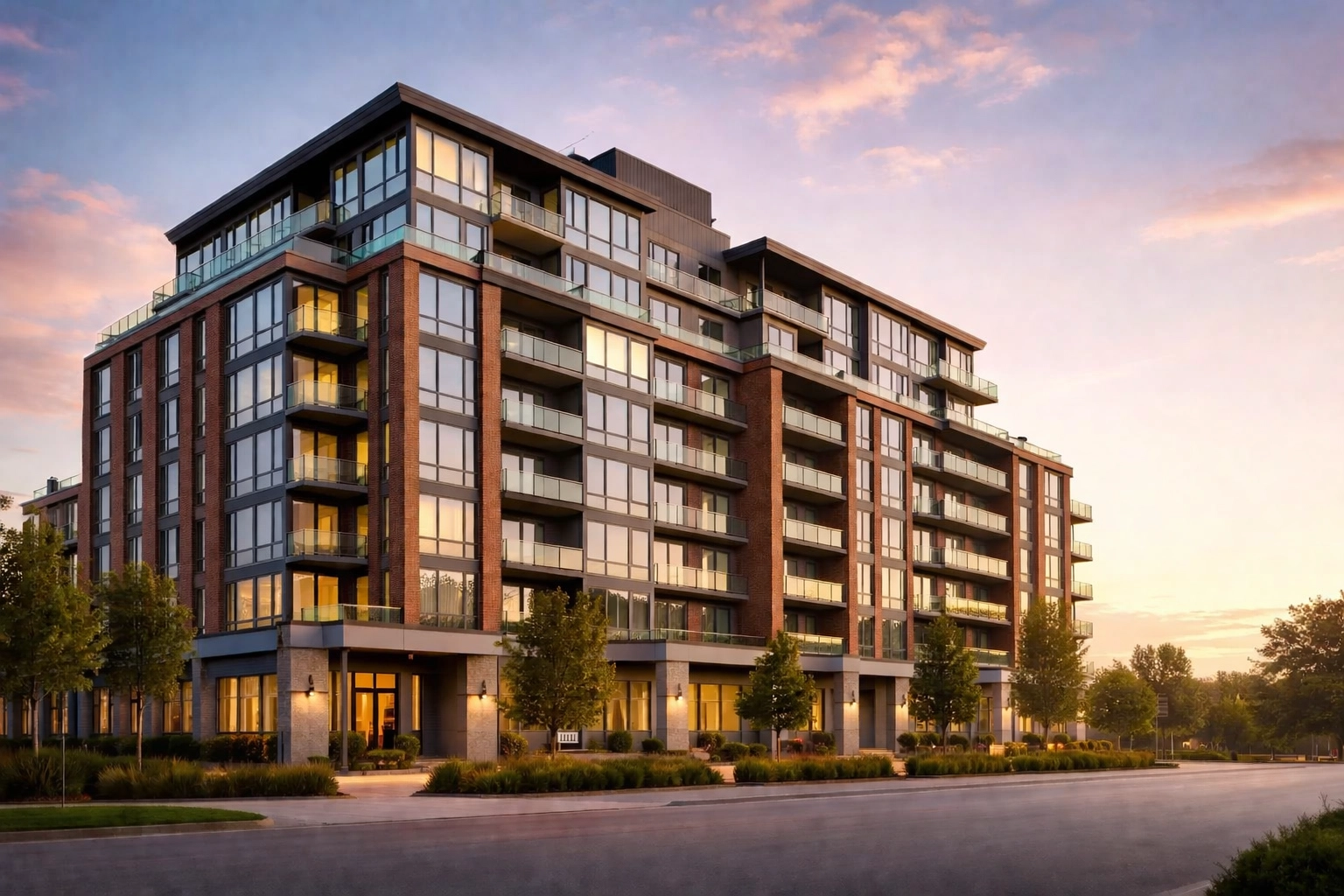
If you own a condo, you are competing with a different inventory level and a different buyer profile: often investors or first-time buyers who are highly sensitive to monthly carrying costs. If you own a detached home, you’re likely looking at families who are prioritizing space and school zones.
The Fix: Don’t use “general” Waterloo averages. We need to dive deep into your specific asset class. If condos are sitting for 45 days but detached homes are moving in 14, your pricing strategy must reflect that reality. For more on how these different segments are performing, check out my breakdown of navigating your next chapter in Ontario.
3. Leaving Too Much ‘Negotiation Room’
This is an old-school tactic that consistently backfires in a digital-first world. Sellers often tell me, “Kim, let’s list at $850,000 so we have room to come down to $800,000.”
Here’s the problem: Buyers search in price brackets. If a buyer’s budget is capped at $800,000, they won’t even see your $850,000 listing in their filtered searches. By the time you drop the price three weeks later, the “New Listing” buzz is gone, and buyers start wondering, “What’s wrong with this house?”
The Fix: Price at or very near the actual fair market value. In a balanced market, transparency builds trust and attracts more qualified eyes during that critical first week.

4. Failing to Address ‘Buyer Eyesores’ Before Photos
In 2026, the “first showing” happens on a smartphone screen. If your listing photos show peeling paint, dated light fixtures, or a cluttered entryway, buyers will swipe left before they even read your description.
Little things: what I call “Buyer Eyesores”: send a signal that the home hasn’t been maintained. If a buyer sees a leaky faucet or a cracked floor tile, they don’t just see a $200 repair; they see a $5,000 “headache” and will deduct that (and then some) from their offer price.
The Fix: Invest in a “Pre-List Polish.” Deep cleaning, decluttering, and minor cosmetic touch-ups offer the highest return on investment. I always advocate for professional staging and high-end photography to ensure your home looks like the premium option in its price bracket.
5. Relying on ‘Zestimates’ Instead of Regional Data
Algorithms are great for many things, but they are notoriously bad at understanding the nuance of Waterloo Region real estate. An online valuation tool doesn’t know that your street is quiet while the next one over backs onto a busy commercial zone. It doesn’t know you just spent $80,000 on a legal secondary suite or that you’re steps away from the new transit hub.
The Fix: Use “boots-on-the-ground” data. As a local Broker, I look at the Cornerstone Association of Realtors’ micro-stats, current inventory levels, and the “vibe” of recent sales. Algorithms use math; I use math plus context.
6. Missing the ‘Market Wave’
Timing is a component of pricing. If you list your home the same week the Bank of Canada announces an unexpected rate hold or cut, the “sentiment” in the market shifts instantly. Conversely, listing right before a long weekend or during a massive local event can lead to lower foot traffic.
We also have to watch infrastructure signals. For example, developments in the Wilmot area or shifts in student housing trends can impact how we position your property to investors versus end-users.
The Fix: We analyze the calendar and the economic climate. We want to catch the “wave” of buyer demand when it’s at its crest, ensuring maximum exposure for your price point.
7. Being Too Firm on Conditions in a Balanced Market
In 2022, “Firm Offers” were the norm. In 2026, we are in a much more balanced environment. Buyers are once again asking for home inspections, financing conditions, and even the sale of their own property.
If you price your home at the top of the market and also refuse to accept any conditions, you are narrowing your buyer pool to almost zero. Pricing is a package deal that includes your terms.
The Fix: Be prepared for a balanced negotiation. A slightly higher price might be achievable if you’re willing to give the buyer five days for a home inspection. Understanding the ins and outs of things like title insurance can also help you navigate these negotiations with confidence.

The Bottom Line
Pricing your home in Waterloo isn’t about finding the highest number you can dream of; it’s about finding the “Sweet Spot” where value meets demand. When you hit that mark, you don’t just sell your home: you sell it for the best possible price with the least amount of stress.
Are you curious about what your Waterloo home is actually worth in today’s fragmented 2026 market? Don’t guess and don’t rely on a computer-generated estimate.
Ready for a real look at your home’s value?
Click here for a free, no-obligation home valuation tailored to the current Waterloo Region market.
Let’s get your pricing right the first time.
Kim Louie, Real Estate Broker partnered with Coldwell Banker Peter Benninger Realty | Your Waterloo Region Real Estate Resource
📲 519.573.0837
📧 realtorkimlouie@kimlouie.net
💻 www.kimlouie.net
*** Not intended to solicit clients under contract. Content is for informational purposes and not guaranteed nor warrantied ***
#WaterlooRealEstate #KitchenerWaterloo #HomePricing #RealEstateTips #KimLouie #WaterlooRegion #OntarioRealEstate #HomeSellingMistakes #CornerstoneRealtors #2026MarketTrends
